October 15, 2026
Automotive Lightweight Components Market 2026: EV Boom Reshapes Global Component Sourcing & Multi Material Design
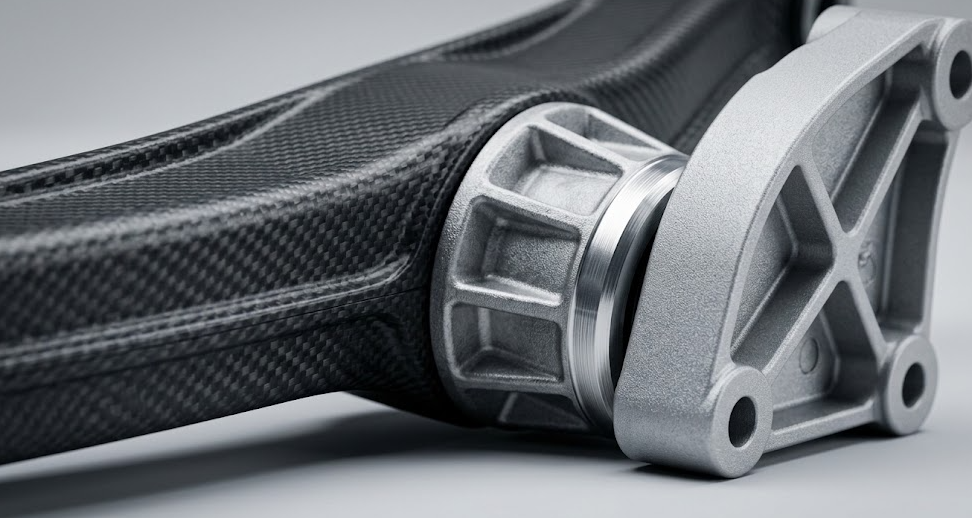
Automotive lightweight components have moved from premium vehicle options to mainstream requirements across ICE and battery electric platforms worldwide. As automakers fight to offset heavy battery mass, meet tightening carbon emission rules and improve vehicle energy efficiency, component suppliers ramp up output for aluminum, advanced high strength steel (AHSS), magnesium and composite parts across body in white, chassis, suspension and powertrain assemblies. New global market data reveals strong growth momentum, even while cost pressure, dissimilar material joining complexity and recycling limits create real industry pain points for global procurement teams in 2026.
Global Market Size & Core Industry Statistics
The global automotive lightweight components market reached USD 131.99 billion in 2026. Analysts forecast it will hit USD 178.52 billion by 2032, recording a compound annual growth rate (CAGR) of 5.85% from 2025 through 2032.
Key Market Metric | Value |
2026 Global Market Size | USD 131.99 Billion |
2032 Forecast Market Size | USD 178.52 Billion |
CAGR (2025 2032) | 5.85% |
EV related lightweight component demand share | 44 % of total new orders |
Typical vehicle benefit: 10 % weight reduction | 5 8 % improvement in energy efficiency |
Source: PW Consulting Global Automotive Lightweight Component Dataset, June 2026
Regional market distribution shows Asia Pacific holding 41.1 % global market share in 2025, powered by high volume EV manufacturing bases. Europe ranks second at 31.0 %, pushed forward by strict EU CO₂ vehicle regulations. North America contributes approximately 18.0 % market share, driven by Detroit OEMs and major US based EV programs. Latin America, Middle East and Africa make up the remaining 9.9 %, growing steadily as local vehicle production expands.
Material wise, aluminum alloys keep the largest segment share at 44.69 %. Advanced high strength steel follows at 28.23 %. Plastics and composites account for 18.05 %, and magnesium alloys hold 9.03 % of total lightweight component market value across global production in 2025.
By application, chassis & suspension components represent 31.35 % of demand, body in white assemblies 27.38 %, powertrain lightweight parts 25.89 %, interior exterior lightweight modules 15.39 %.
Primary Growth Drivers for Automotive Lightweight Components
1. Electric Vehicle Mass Offset Pressure
Battery packs add significant curb weight to modern EVs. Lightweight components directly counteract battery mass, boost real world driving range and lower battery pack sizing requirements. Around 44 % of all new lightweight component orders globally now link to battery electric vehicle projects, according to aggregated 2026 supplier survey data.
A proven industry benchmark: cutting vehicle weight by 10 % improves overall energy efficiency between 5 % and 8 %. For automakers, optimized lightweight structures can reduce required battery capacity, bringing down total vehicle Bill of Material costs despite higher component pricing.
2. Global Emission & Regulatory Mandates
Regulatory frameworks across major markets force continuous weight optimisation. EU carbon targets, US EPA greenhouse gas standards and Asian fuel economy rules push OEMs to adopt multi material lightweight architectures instead of full steel traditional designs.
The EU End of Life Vehicle Directive additionally enforces high material recovery targets, pushing suppliers to balance lightweight performance with recyclability during component design phase. SAE J2907 and ISO 10326 1 remain widely referenced global standards for lightweight component mechanical testing and crash safety validation.
3. Chassis & Body in White Performance Upgrade
Beyond range and emissions, lightweight chassis and suspension components deliver better handling, faster acceleration and improved ride comfort. Both mass market and premium vehicle lines increase deployment of hollow cast aluminum control arms, AHSS hot stamped structural parts and reinforced composite interior modules.
4. Tier 1 Supplier Manufacturing Maturity
Over recent years, Tier 1 manufacturers have scaled mass production capacity for lightweight parts. New casting, hot stamping, thermoplastic composite moulding and hybrid joining technologies help bring per unit costs down, making lightweight components viable for high volume vehicle platforms instead of only low volume luxury cars.
Major Industry Challenges in 2026
Higher Material & Re Tooling Expense
Aluminum and magnesium raw material costs sit well above conventional mild steel. Retooling existing stamping and assembly lines for multi material production requires heavy capital investment. Converting a traditional steel focused production line for high volume aluminum processing can exceed hundreds of millions US dollars, creating high barriers for smaller OEMs and component manufacturers.
Carbon fiber reinforced polymer (CFRP) components deliver top tier weight savings, yet material and tooling costs still limit CFRP mainly to premium or low volume vehicle programs globally.
Dissimilar Material Joining Difficulties
Mixed material assemblies combining steel, aluminum and composite materials create manufacturing bottlenecks. Conventional spot welding does not work reliably across different metals. Factories must deploy laser welding, structural adhesive bonding and mechanical riveting. These processes demand skilled labour, extend cycle times and raise quality control complexity on serial production lines.
Raw Material Supply Chain Volatility
Aluminum, magnesium and carbon fiber precursor prices swing with global energy markets and geopolitical events. Smelter capacity concentration in certain regions creates supply risk exposure for international OEM procurement teams. Unexpected raw material shortages can force production lines to temporarily revert back to heavier steel components and miss vehicle weight reduction targets.
Recycling Gaps for Advanced Composites
Steel automotive scrap achieves recycling rates near 85 % globally. By contrast, recycling rates for automotive carbon fiber composite parts stay below 15 %. Mixed material component structures make end of life material separation complicated. This creates conflicts with circular economy regulations across Europe and other regions pushing higher recycled content requirements for new vehicles through 2035.
Key 2026 2031 Industry Trends
Multi Material Hybrid Architectures Become Default
Very few new platforms switch fully to one lightweight material. Most global OEM engineering teams select mixed material design: AHSS for crash critical safety zones, aluminum for large body panels and chassis castings, magnesium for select structural castings and engineering plastics for non load bearing modules. This balanced approach optimises weight performance while controlling total component costs.
Thermoplastic Composites Gain Ground Over Thermoset CFRP
Thermoplastic composite components see rising adoption. They offer faster cycle times, better impact resistance and improved recyclability potential compared to traditional thermoset carbon fiber parts. Tier 1 suppliers expand thermoplastic composite production capacity targeting mid segment EV platforms, not only high end models.
Mega Casting Reshapes Lightweight Component Supply
Large aluminum mega castings consolidate dozens of separate small components into single lightweight cast assemblies. This trend reduces part count, cuts assembly work at vehicle plants and modifies procurement patterns. Traditional small stamped component suppliers face pressure to adapt toward large casting capabilities or adjust product portfolios.
Recycled Lightweight Material Adoption Accelerates
OEMs increasingly specify secondary aluminum and recycled engineering plastics within lightweight component purchase specifications. This trend will strengthen through 2030, driven by carbon footprint reporting rules and public sustainability commitments from major automakers.
Frequently Asked Questions (FAQ)
Q: What are automotive lightweight components? A: Automotive lightweight components are parts built with aluminum, advanced high strength steel, magnesium, plastics or composites. They reduce vehicle curb weight without sacrificing crash safety or structural performance, applied on body in white, chassis, suspension, powertrain and interior exterior assemblies.
Q: Why are lightweight components especially critical for electric vehicles? A: EV battery packs add substantial vehicle weight. Lightweight components offset this mass, improve real world driving range, and allow automakers to specify smaller battery packs to lower total vehicle cost.
Q: Which lightweight material delivers the best balance for mass market cars? A: Aluminum alloys and advanced high strength steel currently represent the best cost performance balance for high volume production. Magnesium and carbon fiber composites bring superior weight savings but remain limited by cost and manufacturing constraints for mass market vehicle lines.
Q: What standards apply for global lightweight component procurement? A: Widely used international references include SAE J2907 for lightweight material testing, ISO 10326 1 for component vibration evaluation, plus regional crash safety homologation requirements in each target market.
Q: What is the biggest bottleneck slowing composite component adoption in mass market cars? A: High material cost, slow production cycle times and poor end of life recyclability are the three main bottlenecks limiting broad high volume deployment of carbon fiber composite lightweight parts.